 Adaptive Reuse
View Project →
Adaptive Reuse
View Project →
Leed / Historic Restorations
Restoring the landmarks at the heart of New England.
Town halls, museums, granges, and university buildings carry a community's memory. Leed Construction restores these landmarks to U.S. Department of the Interior and State Historic Preservation Office standards — protecting their character while making them safe, accessible, and ready to serve the public for another century.
Stewards of community memory.
A historic landmark can't be value-engineered into something generic. Every decision has to honor the original builders while meeting today's codes — and that takes a contractor who treats preservation as craft, not as an obstacle.
Preservation held to a federal standard.
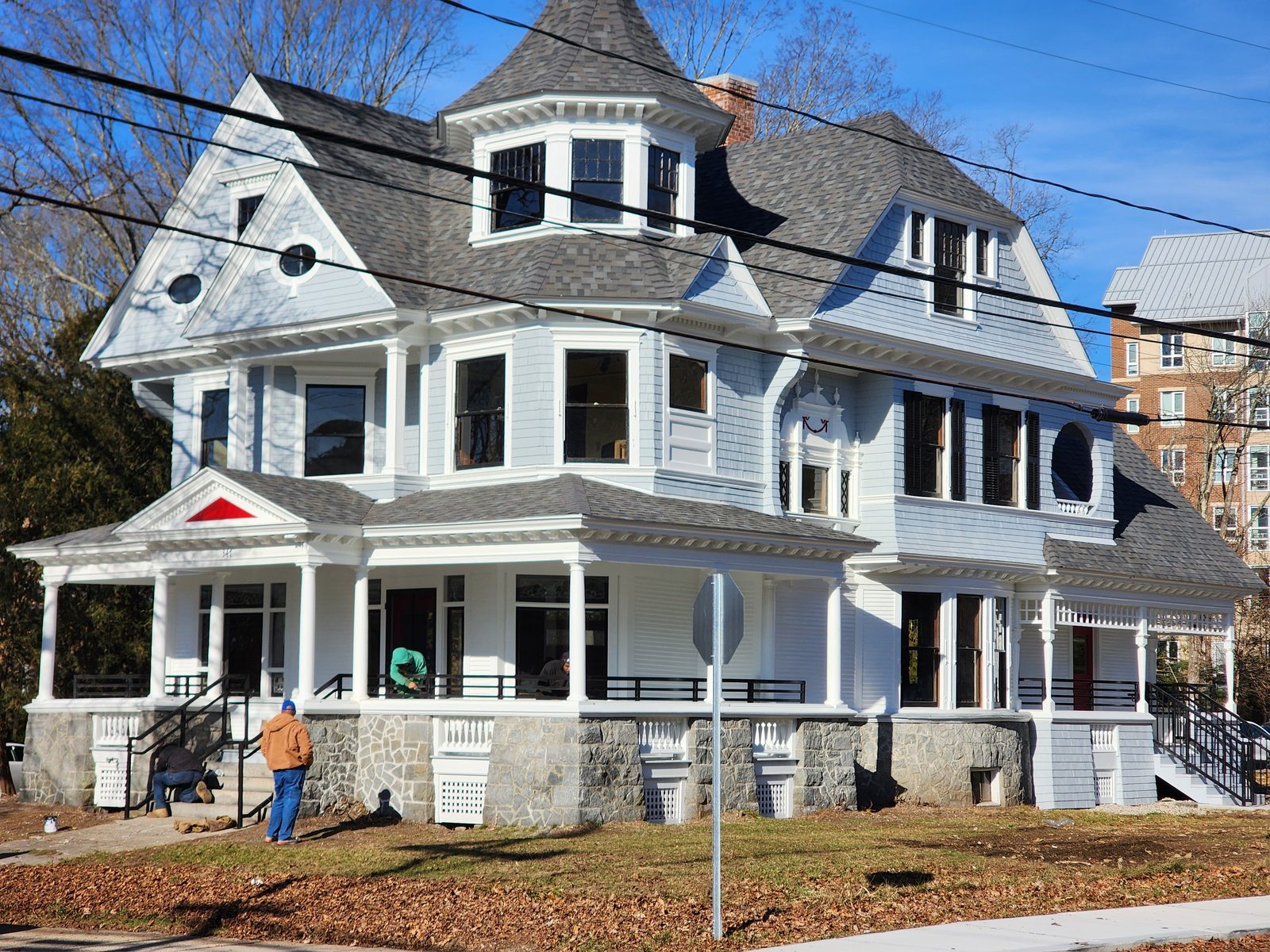
Leed restores civic landmarks under the Secretary of the Interior's Standards for the Treatment of Historic Properties and in close coordination with the Connecticut State Historic Preservation Office. We've returned town halls, a grange, a museum, a police headquarters, and university buildings to active public use — repairing what can be saved and faithfully replicating what can't.
Granite repointing, slate and copper roofing, hand-fabricated trim, window and door restoration, and structural rebuilds threaded through occupied historic fabric: this is the work our field teams have done since 2009, and the reason preservation agencies and municipalities trust us with their most significant buildings.
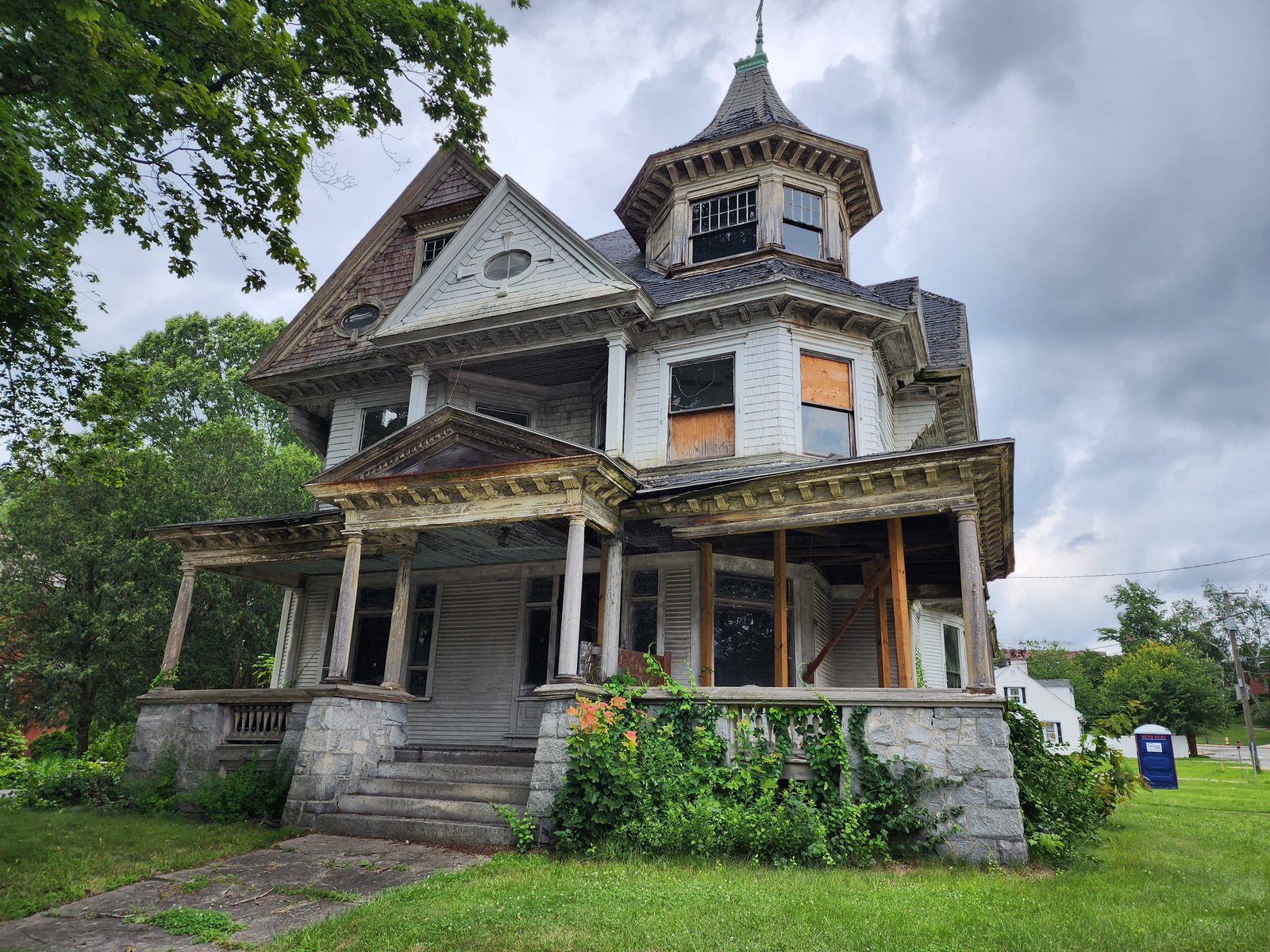 Before
After
Before
After
02 — Capabilities
The full craft of restoration.
Leed self-performs the heritage trades that define a restoration and assembles a vetted bench of preservation specialists for the rest — all coordinated under one accountable team and one preservation plan.
Envelope & Masonry
Granite and brick repointing, stone repair and Dutchman patching, slate roofing, copper coping and flashing, and weather-tight restoration of historic envelopes using period-appropriate materials and methods.
Carpentry & Millwork
Hand-fabricated trim and cornice replication, window and door restoration, cupola and steeple work, and the finish carpentry needed to match original profiles down to the bead-and-cove.
Structure & Systems
Structural rebuilds, foundation and framing repair, and the careful integration of modern mechanical, electrical, life-safety, and ADA-accessibility systems into buildings that were never designed for them.
Working within occupied history.
Many of these landmarks never close. Town business carries on, exhibits stay open, and the public keeps coming through the doors — while we restore the building around them.
Beacons returned to the community.
We phase restorations so a town hall can keep serving residents, a museum can keep its doors open, and a campus building can stay in use — protecting historic interiors, controlling dust and access, and sequencing the work around the public's daily life.
The result is more than a repaired building. It's a landmark made safe, accessible, and energy-efficient for the next generation — handed back to the community as the beacon it was always meant to be.
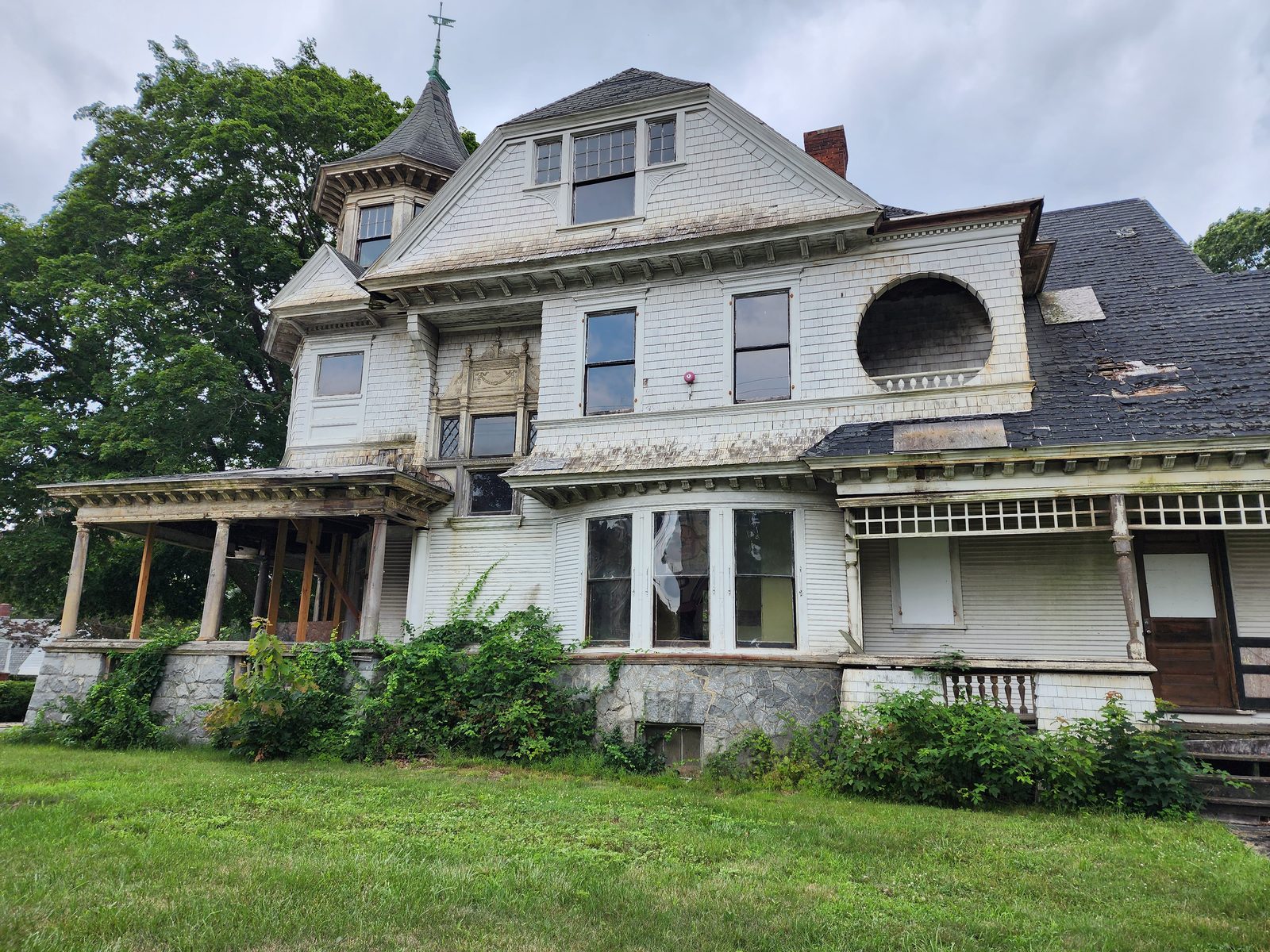 Before
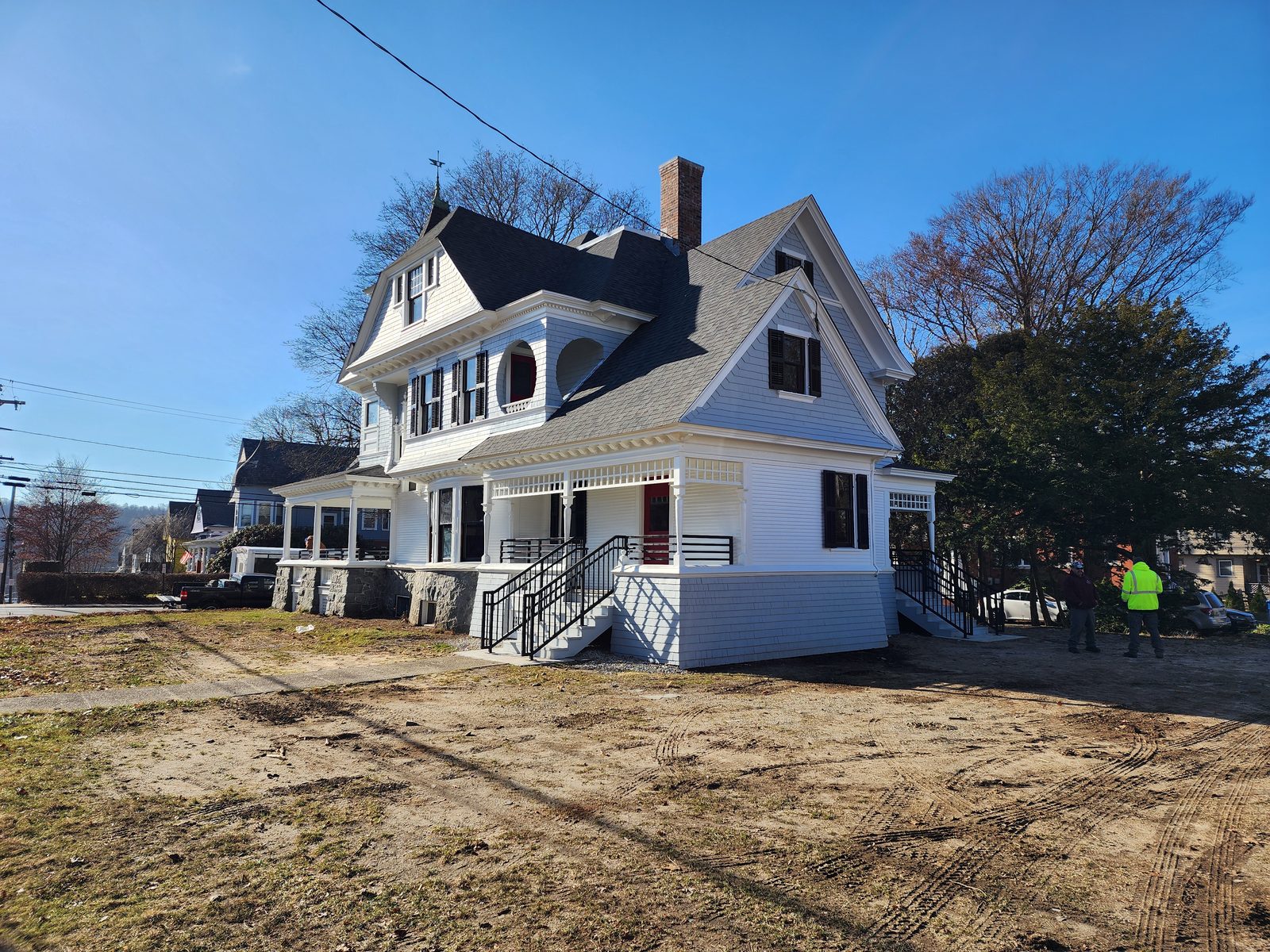 After
After
By the Numbers
A track record New England's preservation agencies trust.
6
Historic Landmarks Restored
7+
Trades Self-Performed In-House
2009
Building in Connecticut Since
CT · MA
Historical Building Restoration · CT DAS Prequalified · MA DCAMM Certified
Selected Work
Historic restoration projects.
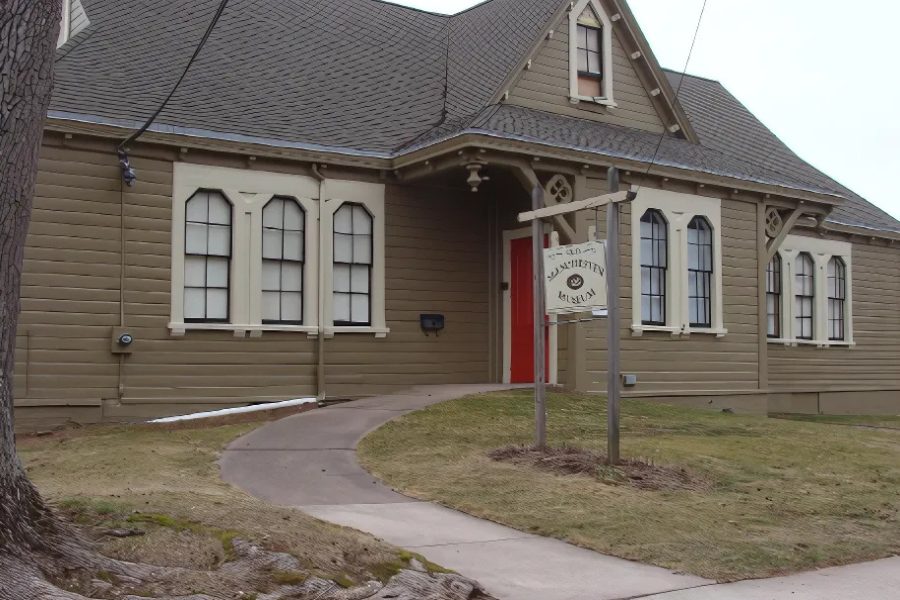
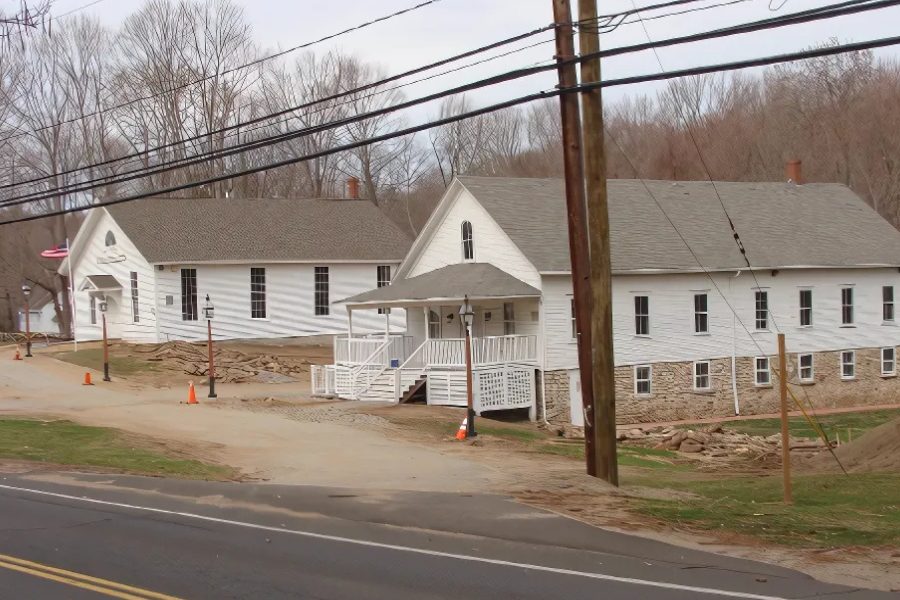
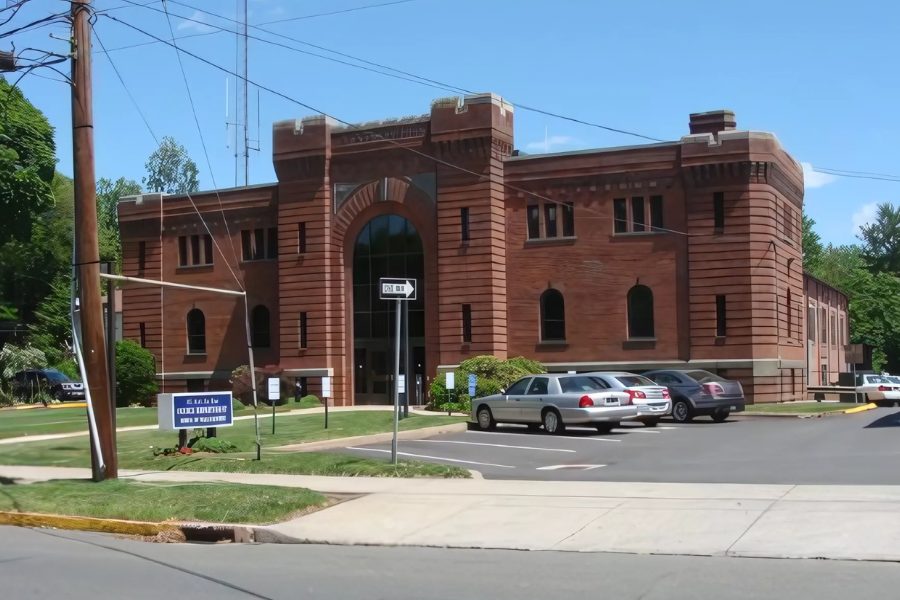
Partner With Leed
Have a landmark that deserves another century?
From a single failing roof to a full adaptive-reuse program, our preconstruction team helps towns, agencies, and institutions plan restorations that satisfy the preservation review, the budget, and the public all at once.